Anxiety, Loneliness, and Aging: How Compassionate Home Care Helps in Basking Ridge, NJ
A Small Moment in Basking Ridge
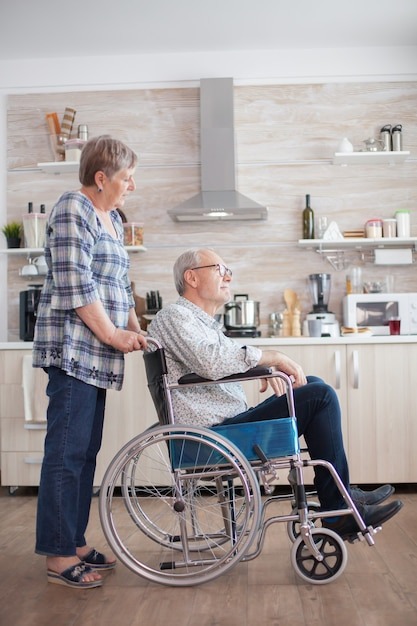
Photo by Freepik
In Basking Ridge, New Jersey, there’s a particular kind of quiet that settles in after lunch. The morning has already spent its energy—appointments, errands, maybe a neighbor waving from a driveway—and now the house runs on small sounds. The refrigerator hums. A ceiling fan clicks once every rotation like it’s keeping a private metronome. A dish towel hangs half-crooked because someone meant to fix it and didn’t.
On the table: a crossword paused mid-clue, reading glasses flipped upside down, and a stack of envelopes leaning together in that “I’ll deal with it later” way. The phone rings. Once. Twice. When it’s answered, the voice is familiar—but the tone is tighter, like a sleeve pulled a little too far at the seam. Not panicked. Not dramatic. Just… off.
That’s when families start asking a different question: not “Are they okay?” but how to make the day feel safer—emotionally and practically—without taking over someone’s life.
What you’ll leave with
A clearer sense of what anxiety and loneliness can look like with aging, how steady routines can ease the pressure, and how in-home support can add comfort without turning a home into a command center.
Why the Quiet Hours Hit Harder With Age
Aging can shrink a world in ways that are almost invisible until you’re living inside them. Driving feels more stressful. Hearing changes make conversation tiring. Friends move, get sick, or simply stop coming around as often. Even a small stumble—caught before it becomes a fall—can quietly change how confident someone feels moving through their own kitchen.
When the day gets smaller, worry has more room to echo. That’s where anxiety and loneliness often show up—not always as big feelings, but as patterns.
How a smaller world can amplify worry
It can look like:
fewer outings because “it’s a hassle”
more time spent watching the same TV shows because it’s easy
avoiding phone calls because hearing is frustrating
checking the locks again… and again
letting meals slide because cooking feels like too much work
You’ll hear “I’m fine.” And they might mean it. But “fine” can also mean “I’m managing, and it’s taking everything I’ve got.”
Alone vs isolated
Some people love solitude. Isolation is different—it’s closer to what Wikipedia calls social isolation: fewer meaningful connections, fewer chances to be seen and heard, and more barriers to reconnecting. Isolation has a way of turning small worries into bigger ones because there’s nobody there to interrupt the loop.
How Anxiety Can Look Different in Older Adults
Anxiety in older adults doesn’t always show up as obvious fear. Sometimes it looks like irritability. Sometimes it looks like stubbornness. Sometimes it looks like “No, I don’t need help,” when what they mean is “I don’t want to feel helpless.”
Signs families mistake for “mood”
Watch for changes like:
repeated reassurance-seeking (“Did the bill get paid?” “Are you sure the door is locked?”)
avoiding showers, stairs, or leaving the house because it feels unsafe
increased checking (stove knobs, medications, windows)
sleep getting choppy, with more daytime fatigue
snapping at small frustrations (remote missing, phone not charging, microwave buttons not responding)
stomach tension, headaches, tight shoulders
Sometimes the biggest clue is how the house starts to feel: more clutter in walking paths, more unopened mail, more “I’ll do it tomorrow” piles. Not laziness—overwhelm.
When it’s time to involve a clinician
If anxiety is new, escalating, paired with confusion, or tied to major shifts in sleep, appetite, or functioning, it’s smart to talk with a clinician. Sudden changes can have physical causes, and it’s worth ruling those out.
Loneliness Isn’t Just Sadness
Loneliness isn’t always crying at the window. Often it’s quieter: less motivation, less effort with self-care, more time in the same chair, more rumination. When there’s less conversation, worries get louder because nothing breaks the mental loop.
The loop: less connection, more worry
Loneliness can make anxiety worse, and anxiety can make loneliness worse. When someone feels shaky about leaving the house, they stay in. When they stay in, they feel more disconnected. When they feel disconnected, the world feels less safe. Round and round.
Educational note
This article is educational and not medical advice. For diagnosis or treatment decisions, consult qualified clinicians.
What Compassionate Home Care Means in Real Life
Compassionate support at home isn’t about filling time. It’s about making daily life feel doable again—without turning someone’s home into a schedule board.
It often includes practical help aligned with activities of daily living when needed—bathing, dressing, meals, safe mobility—but the tone matters as much as the tasks.
Companionship with structure, not pressure
The most helpful companionship is steady and low-drama:
a predictable visit time (so the day has shape)
familiar routines (tea first, then a short walk; lunch at the table, not standing at the counter)
conversation that listens more than it lectures
gentle encouragement that doesn’t corner someone
It’s the difference between “Let’s fix your life” and “Let’s make today easier.”
Support that protects dignity
Dignity is practical. It’s privacy. It’s pacing. It’s not being rushed through the shower like it’s a chore chart. It’s having choices—real choices, not twenty options that overwhelm.
A good caregiver understands that emotional safety is part of physical safety.
What home care is not
Home care typically isn’t clinical treatment. It doesn’t replace medical professionals when skilled nursing or therapy is needed. It’s daily-life support and companionship—often the missing layer when the main problem isn’t a medical procedure, but the day-to-day strain.
A Simple Decision Map
If you’re trying to decide what kind of help fits, start with what’s actually breaking.
If anxiety is the main issue
Start with:
predictable routines (sleep, meals, small movement)
calm companionship that anchors without feeding worry spirals
clinician involvement if symptoms are new or worsening
If loneliness is the main issue
Start with:
consistent visits (connection works best when it’s regular)
one or two “default” activities (walk, puzzle, cooking something simple)
low-friction outings if they’re enjoyable and safe
If routines and safety are slipping too
Start with:
daily-living support (meals, hygiene prompts, clutter reduction)
coverage during the hardest time window (often late afternoon or evening)
a short trial period with simple tracking (sleep, meals, mood, engagement)
What a Week Can Look Like

Photo by Freepik
The goal isn’t a perfect week. The goal is fewer shaky moments and more steadiness.
A steadier “good day”
Morning: breakfast set out, medications organized as needed, counters cleared enough to move safely
Midday: a real lunch, a refill of water without making it a “thing,” mail sorted into “now / later” piles
Afternoon: a short walk, light conversation, maybe music while folding towels
Evening: a calmer dinner plan, charger plugged in before the phone dies, a clear path to the bathroom
Small lived details add up: keys always in the same bowl, glasses always on the same side table, the calendar actually updated, the porch light working again.
A “hard day” plan that doesn’t escalate
Hard days need fewer choices and more calm pacing:
“Tea or water?” instead of “What do you want?”
tasks broken into steps
less stimulation when worry loops
gentle redirection without arguing
Sometimes the best plan is simply: do one thing, rest, then do the next.
Small Home Routines That Calm the Day
Anxiety thrives on uncertainty. A few routines can take the edge off without feeling controlling.
Environmental tweaks that reduce friction
brighter hallway and bathroom lighting
a “command spot” for essentials: charger, glasses, notepad, keys
easy meals placed where they’re visible (out of sight becomes forgotten)
a consistent daily check-in window with family
an evening reset: clear the walkway, set out slippers, plug in the phone
Lived-detail anchors that show up in most houses
You’ll recognize these:
the phone dying at the worst time
the remote disappearing into couch cushions
the mail stack that keeps reproducing
a fridge full of food but nothing easy
a calendar that hasn’t been updated in weeks
a creaky step everyone avoids
the same sweater worn because it feels “safe”
the porch light that’s been out since last season
These aren’t just quirks. They’re often clues that the day feels too hard to manage.
Trade-Offs Families Don’t Talk About
There’s no one-size-fits-all plan here. Real households are messy.
Privacy vs peace of mind
More help can feel intrusive at first. But it can also reduce the constant anxiety of “What if something happens and nobody’s there?” The trade-off is emotional—comfort versus control.
Independence vs support
Support doesn’t have to shrink independence. Done well, it can protect it by preventing setbacks. But the approach matters. If help feels like takeover, it backfires.
Family-only care vs burnout
Family care can feel warm and private. It can also become relentless—especially for spouses and adult children balancing work. Burnout doesn’t always look like breakdown. Sometimes it looks like quiet resentment and fewer visits.
Comparison Table
| Support option | Best for | Where it can fall short | Good fit signals |
|---|---|---|---|
| Compassionate home care | Routine, companionship, confidence, daily stability | Requires scheduling and budget planning | Predictable visits, calm pacing, dignity-first approach |
| Family check-ins only | Light needs, stable routines | Burnout risk; gaps during work/overnights | Multiple family members sharing load, clear plan for weekends |
| Community programs | Social connection, activities | Transportation and consistency barriers | Reliable rides, person enjoys group settings |
| Clinical mental health care | Diagnosable anxiety/depression, complex symptoms | Doesn’t replace daily companionship | Clear treatment plan + coordination with home routines |
Mini Case Story
A daughter noticed her dad’s calls ramped up after 3 p.m. Same worries, same questions, same tight edge in his voice. He wasn’t in crisis, but his routines were thinning: meals skipped, showers delayed, sleep choppy. He started avoiding small outings because they felt “pointless,” then complained the days were too long.
They tried twice-a-week visits at first. Helpful, but the off-days still carried that late-afternoon spiral.
So they shifted: short morning support to steady meals and hygiene, plus one late-afternoon visit timed right when worry usually rose. The caregiver didn’t push cheerfulness. They poured tea, sorted mail, took a slow walk to the driveway, set up a simple dinner option so the evening didn’t feel like a cliff.
Midweek, the daughter overheard this:
“I don’t want to be a burden.”
“You’re not.”
“Then why do I feel like one?”
“Because you’ve been carrying it alone. We’re changing that.”
By week three, the calls didn’t stop—but they changed. Less panic. More normal updates. That’s often what progress looks like.
How to Choose the Right Provider

Photo by Freepik
When you call providers, listen for process, not promises.
Questions for the first call
“How do you handle anxiety or resistance without escalating it?”
“How do you build routines without making someone feel controlled?”
“What does a trial period look like, and how do we measure success?”
“How do you communicate updates to family?”
“What happens if a caregiver can’t make a shift?”
Green flags and red flags
Green flags
clear boundaries and expectations
consistent scheduling
a trial plan with simple goals
respect for privacy and pace
Red flags
pressure to commit immediately
vague answers (“We’ll figure it out”)
minimizing emotional concerns
no clear backup plan
For families seeking home care that prioritizes comfort and compassion in Basking Ridge NJ, these answers matter more than glossy language. Many start their search with providers like Always Best Care when they want warmth and reliability.
A 7-Step Start This Week Plan
Identify the hardest time of day (morning? late afternoon? evenings?).
Pick two default meals that are easy and familiar.
Create a command spot for essentials (charger, glasses, keys, notepad).
Set one predictable check-in time with family.
Add one low-effort connection moment (porch sit, short walk, neighbor hello).
Trial support during the toughest window first—don’t scatter hours randomly.
Review after 7 days: sleep, meals, mood, engagement. Adjust based on patterns.
Conclusion
Anxiety and loneliness in aging often show up quietly—shrinking routines, repeated worries, withdrawn habits, and days that feel too long. Compassionate home care can help by restoring structure and connection without stripping autonomy. The best support doesn’t take over the home. It steadies it. It makes the ordinary parts of the day—meals, movement, small conversations—feel manageable again. And when the day feels steadier, the mind often follows.
FAQs
1) How do I tell if it’s loneliness or something more serious?
If withdrawal, low mood, or worry is persistent and worsening—especially with sleep or appetite changes—talk with a clinician. It’s better to check early than wait until functioning drops.
2) What kind of support helps anxiety the most at home?
Predictable routines, calm pacing, and consistent companionship tend to help. Reducing daily friction—meals, reminders, a steadier schedule—often lowers anxiety over time.
3) Will bringing in help make my parent feel less independent?
It depends on the approach. The best care preserves choice and dignity, stepping in only where needed and letting the person lead wherever they can.
4) How many hours should we start with?
Start with the hardest time window of the day. Try a consistent schedule for 10–14 days, track what improves, then adjust. Consistency beats guesswork.
5) What’s one quick change that helps right away?
Make one part of the day predictable—same check-in time, essentials kept in one spot, and an easy meal plan. Fewer daily “search missions” often means less stress.