Western Reserve University School of Pharmacy
The School became affiliated with Western Reserve University in 1908. It was renamed the Cleveland School of Pharmacy of Western Reserve University (WRU) in 1917. The School closed in 1949.
Curriculum
In the first year, 1 lecture was offered each week for 20 weeks. It was to be a practical elementary course in Pharmaceutical Chemistry. Nathan Rosenwasser was the lecturer. In the second year, Stecher and C. W. Kolbe were the lecturers. In the third year the course was extended to 30 lectures with optional lectures 2 evenings a week. No degrees were conferred by the School.
In 1896-1897, the curriculum was expanded to three years leading to the Pharmaceutical Chemist degree. There were three classes: freshman, junior, and senior classes.
At the time the School became part of WRU in the 1908/09 academic year, two degrees were offered, the Pharmaceutical Chemist (Ph.C.) and the Graduate in Pharmacy (Ph.G.). The difference in degrees depended on the high school experience of the student. Students with one year of a “good high school course” received the Ph.G. degree. Students who graduated from high school received the Ph.C. The 2 degrees were almost identical in the theoretical branches. The two-year course was for full-time students, and the tuition was $100 per year. The full-time course included more laboratory work. The three-year course allowed the student time to work in a local drug store. The tuition was $65 per year.
The Doctor of Pharmacy (Phar.D.) was awarded to candidates who graduated from a “reputable school of pharmacy, who has had at least ten years of pharmaceutical experience since graduation; who presents an acceptable dissertation and who passes an examination before the Committee on Examination.”
Over time the Ph.G. degree became the two-year degree program and Ph.C. became the three-year program. Students were not admitted to the two-year course of study after the 1924/25 academic year. The Ph.C. and B.S. degrees were offered. The Ph.C. degree was not offered after 6/1935, leaving the B.S. as the only degree offered. Graduate work was possible through the Graduate School.
Deans
The deans of the School, 1908-1949, were:
1908-1911 Henry V. Arny
1911-1912 Norman A. Dubois
1912-1913 T. Barnard Tanner
1913-1916 William C. Alpers
1916-1940 Edward Spease
1940-1941 Edward D. Davy, Acting Dean
1941-1943 Edward D. Davy
1943-1944 Franklin J. Bacon, Acting Dean
1944-1949 Arthur P. Wyss
Buildings
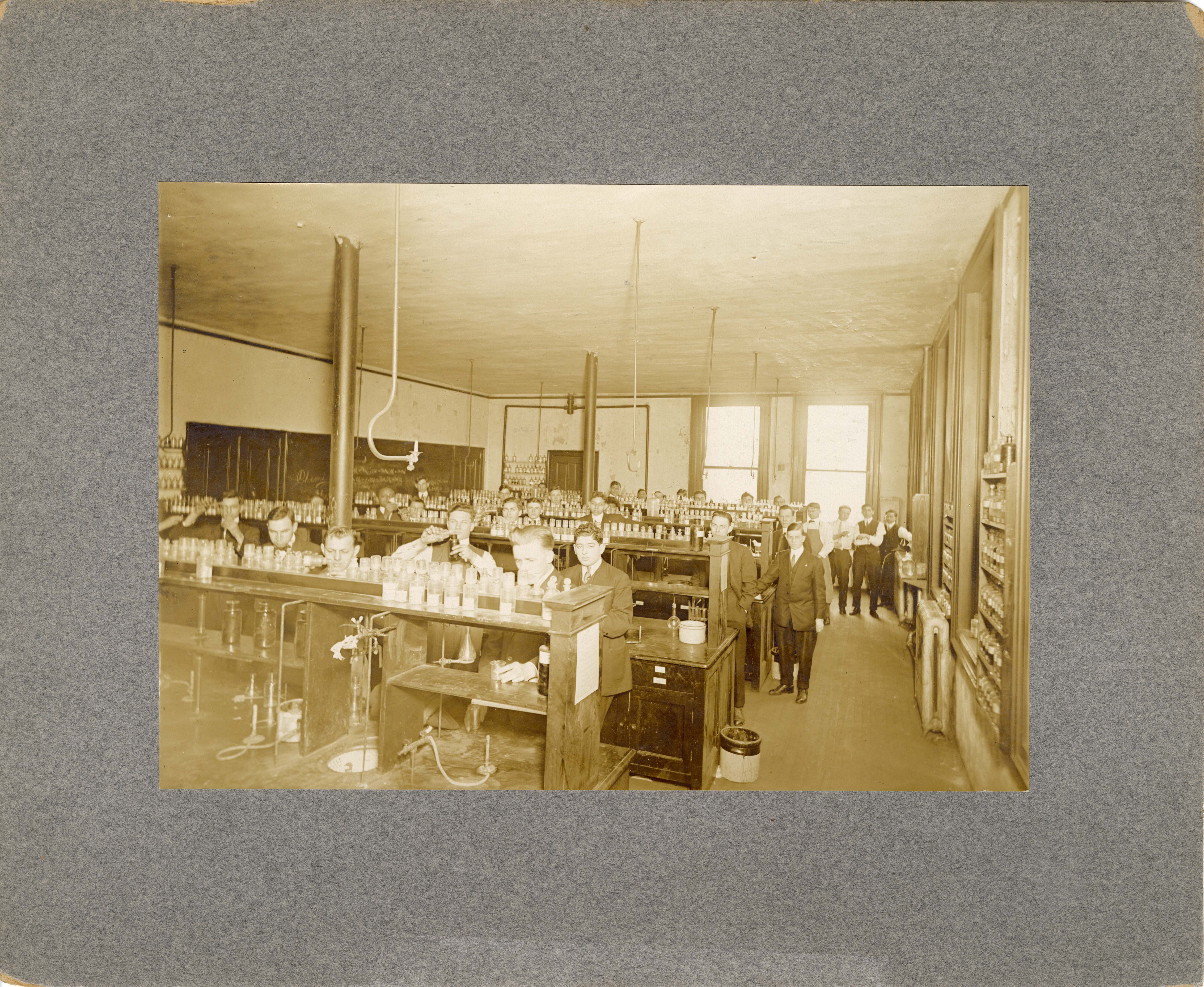
The School of Pharmacy was located in downtown Cleveland until 1920 when it moved to a house on Adelbert Road. The buildings used by the School included:
1882 - part of a floor of Cleveland City Hall
1900 - 2 floors of Cleveland Gas Light and Coke Company (also called the Gas Building)
1910-1920 - Ohio Wesleyan Medical School Building
1920-1949 - 2029/2045 Adelbert Road
1933 - Pierce Hall
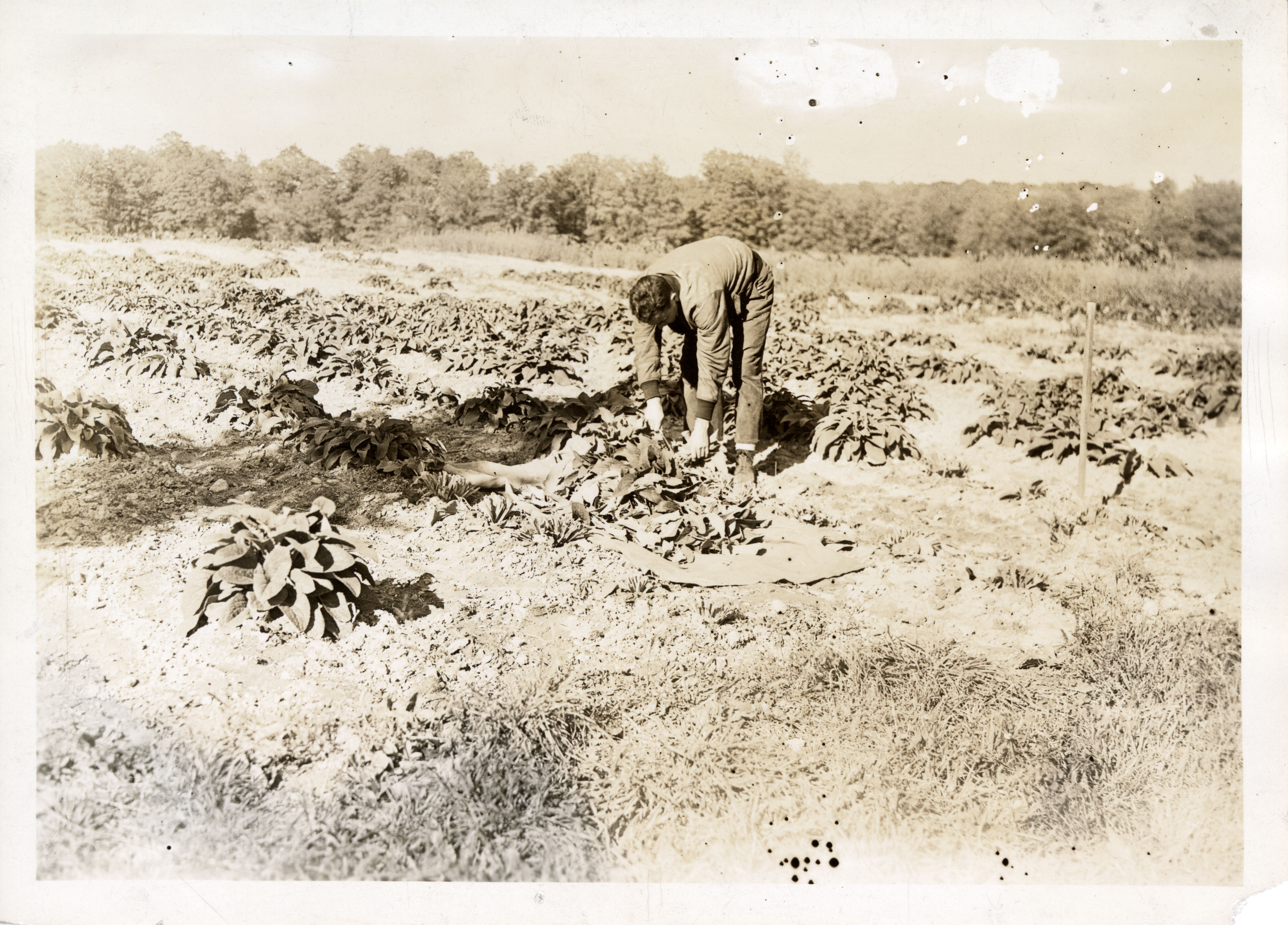
In 1921 a garden of medicinal plants was established on campus under the management of the Department of Pharmacognosy. In the Spring of 1929 the garden was transferred to Squire Valleevue Farm.
Plants were cultivated for propagation (for use in the manufacturing laboratory) and research. According to Dean Edward D. Davy, “The School maintains research and manufacturing laboratories, where U.S.P, N.F., and special formulae preparations are made for the hospitals of Cleveland. By agreement between Western Reserve University and the University Hospitals of Cleveland the Head of the Department of Pharmacy in the School of Pharmacy serves as the Directing Pharmacist of the University Hospitals, and the pharmacists in the hospitals become members of the teaching staff of the School. Students are required to take a course in hospital pharmacy under the direction of the hospitals pharmacists. An advanced course in hospital pharmacy is open to students who in the opinion of the faculty show special aptitude and ability.”
Sources
For more information about the School of Pharmacy, please see the CWRU Archives Sources page.