Students play records at WRAR
1 2025-04-10T17:34:47+00:00 Julia Teran 9aca9c408841ff28b321d7128a1e5c918a151e1d 9 1 Students play records at WRAR, 1957? 2025-04-10T17:34:47+00:00 CWRU Archives unknown Western Reserve University ; WRUW ; F33000 Equipment ; R77000 Students ; K58720 Radio Groups 00696 1957? Tomsic, Bob [Events and Activities] ; [People] ; [Places] Julia Teran 9aca9c408841ff28b321d7128a1e5c918a151e1dThis page is referenced by:
-
1
2026-02-09T19:36:28+00:00
Let the Music Move You: An Overview of Music on Campus
18
This page provides information about music on campus
plain
2026-02-10T16:40:10+00:00
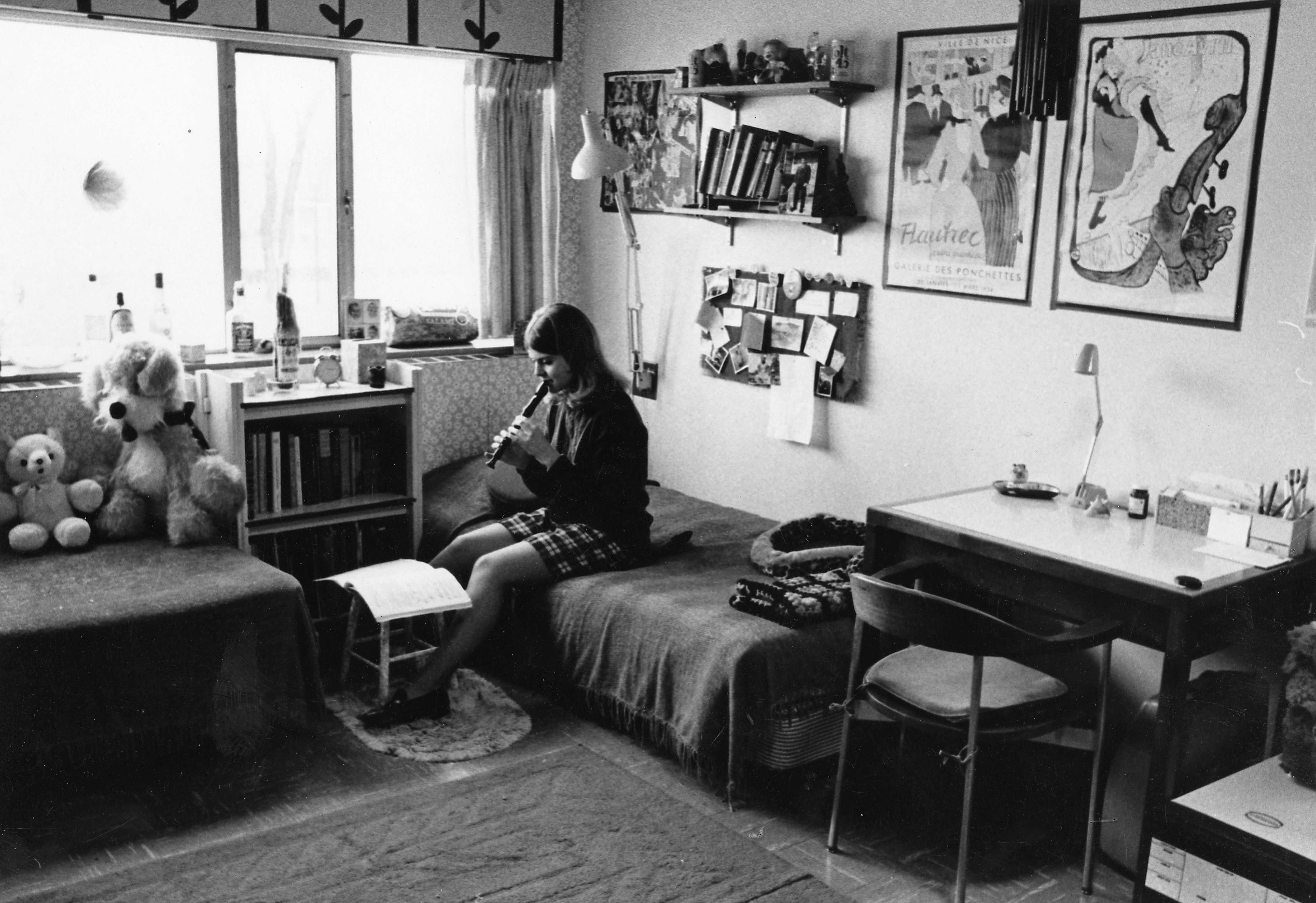
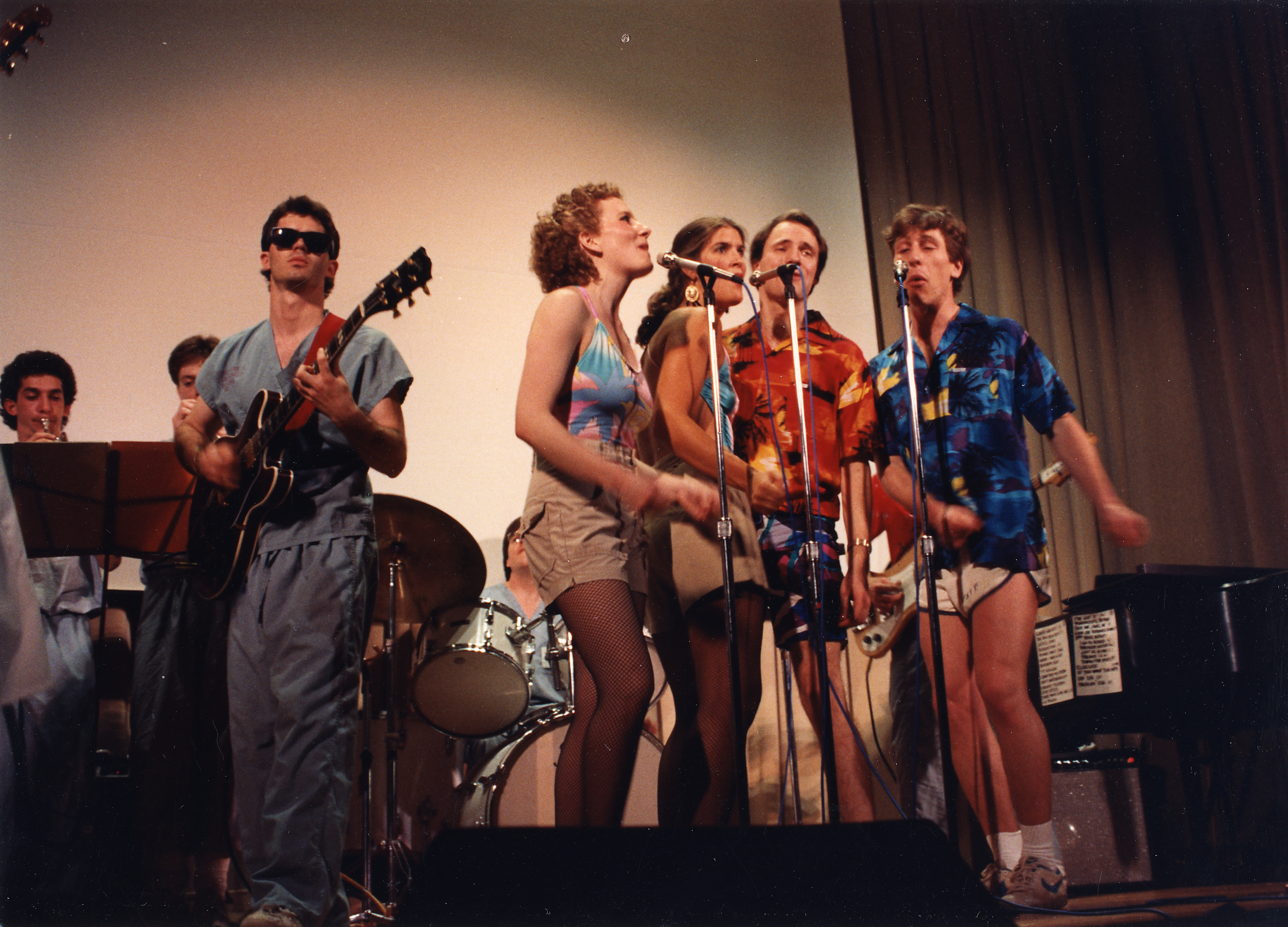
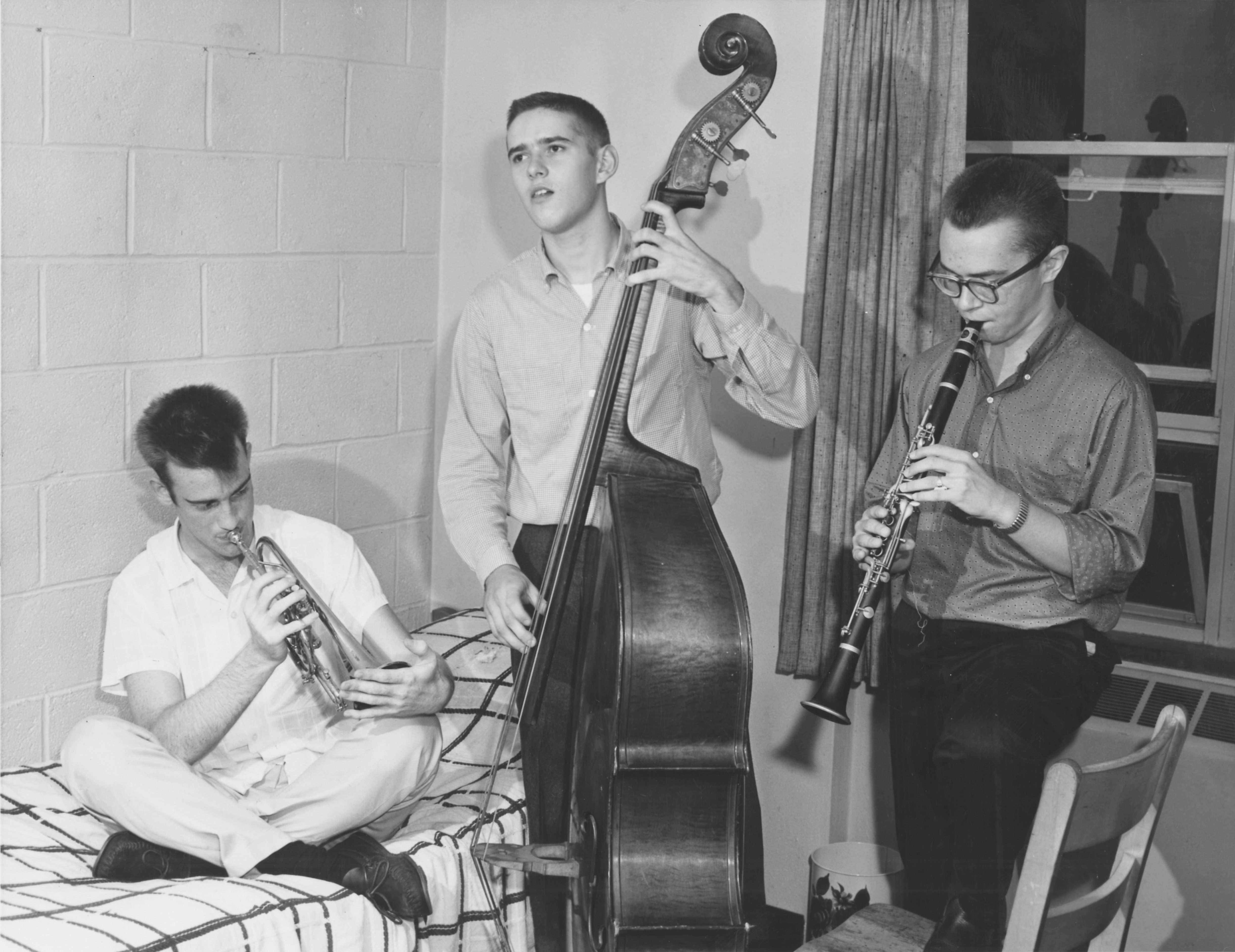
Music at Case Western Reserve University, Western Reserve University and Case Institute of Technology encompasses curricular offerings, musical groups, performances and organizations.
From the solitary to the social...
...from courses to concerts...
...music has spanned generations of CWRU life.Musical instruction was first offered at Western Reserve University through an affiliation with the Cleveland Conservatory of Music in 1888. Courses in piano, violin, and voice were offered. But, according to the Catalog, those courses "must be considered as extra work, which will not be received as equivalent for the regular or elective work of the college curriculum."
It was not until 1899 that the regular curriculum of the College for Women included music. The two courses offered were History of Music and Harmony and Counterpoint. All the music classes were taught by Charles E. Clemens, professor of music for 30 years. Adelbert College began offering music courses in 1924 and Cleveland College followed in 1927.
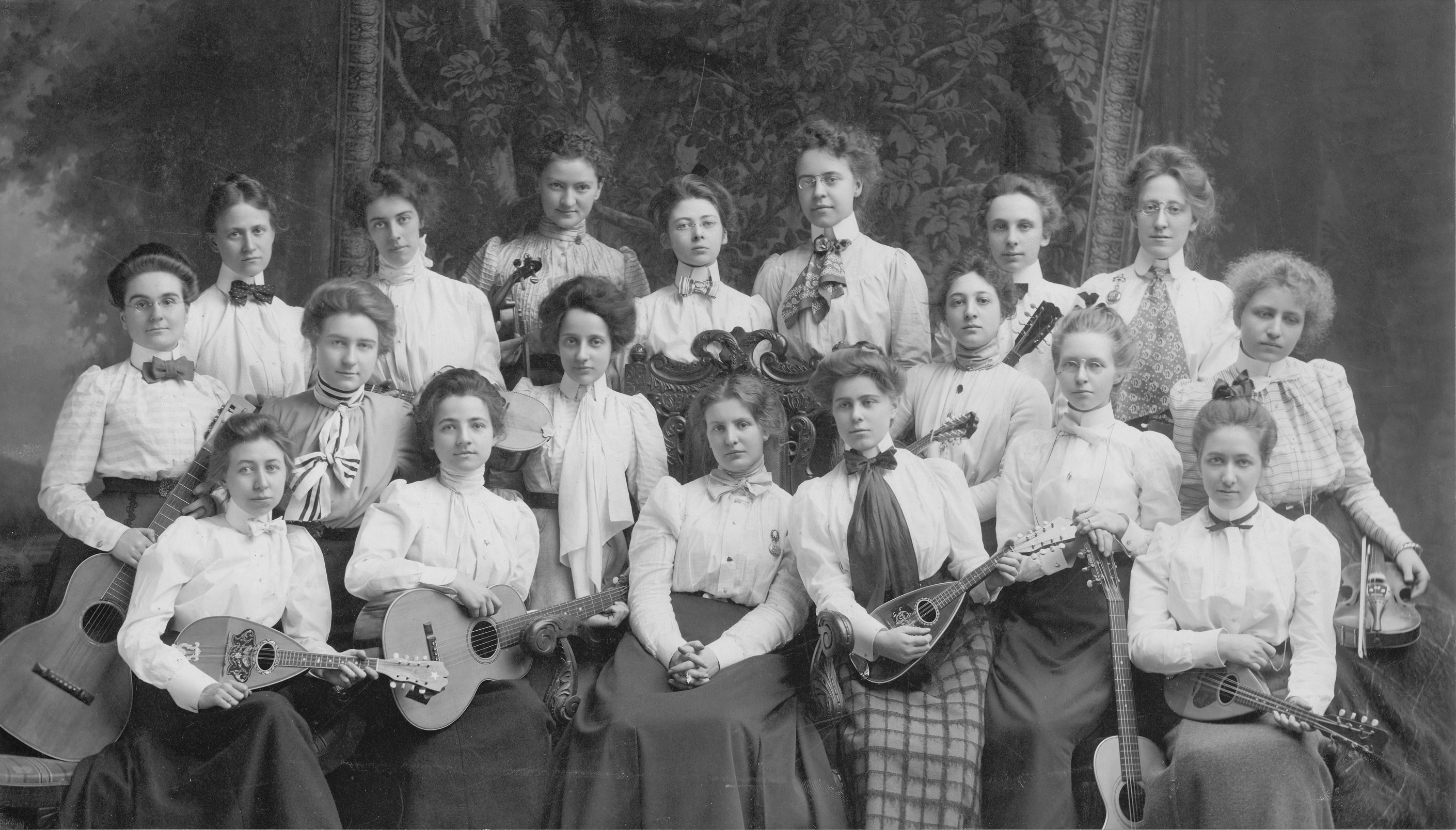
Musical organizations were established quickly. In 1828, only 2 years after Western Reserve College was chartered, the Handel Society was organized. The college choir started in the 1830s and the glee club developed from this. Case School of Applied Science established its glee club in 1897. Mandolin clubs were popular at Adelbert College, Flora Stone Mather College, and Case School of Applied Science in the 1890s and early 20th century. The colleges' orchestras, marching bands, and other ensembles have performed at concerts, university ceremonies, and athletic events both on and off campus.
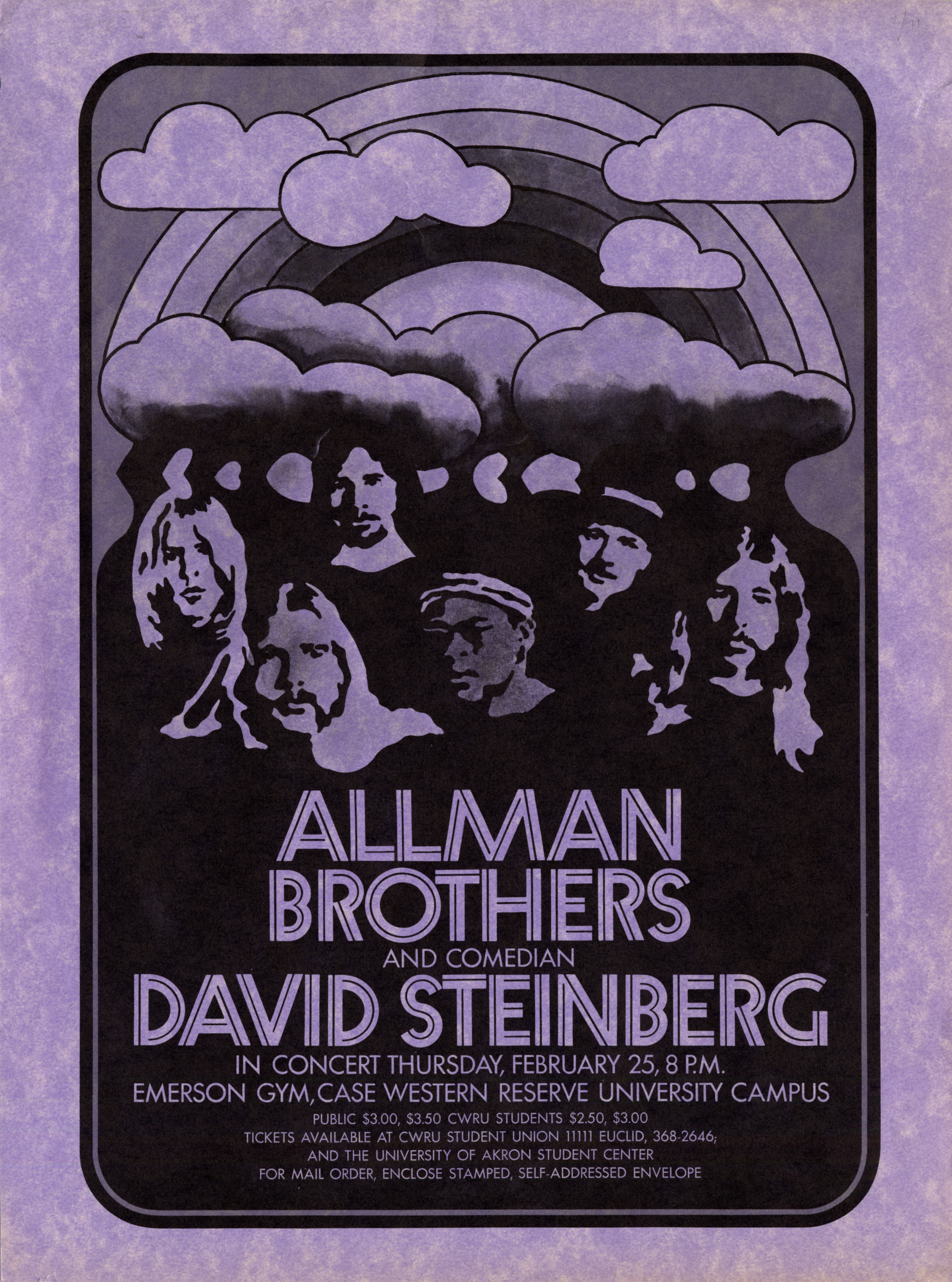
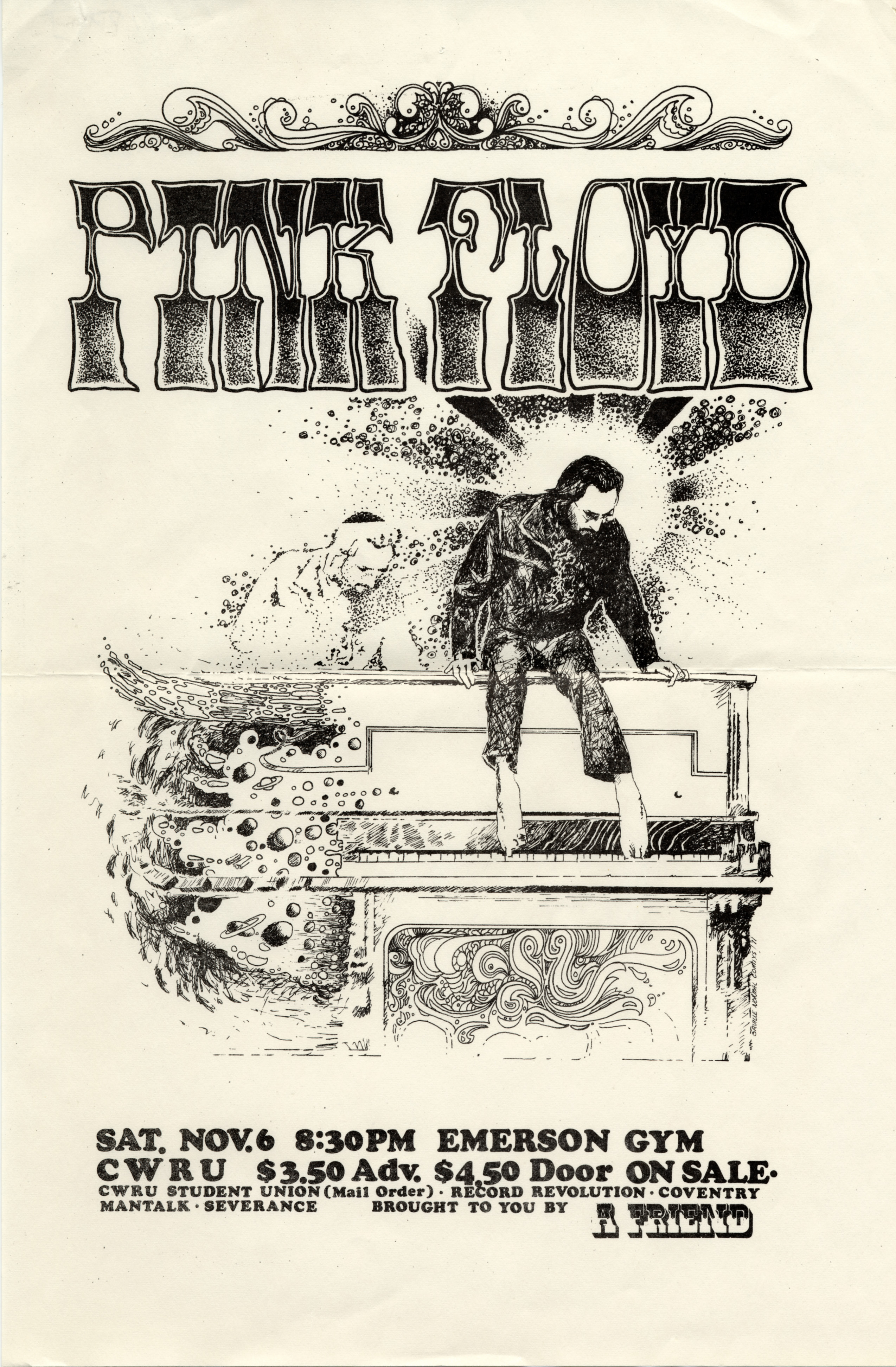
The university has hosted concerts by professional musicians. Concerts have featured performers such as Cab Calloway, Bonnie Raitt, Ray Charles, Pink Floyd, Eddie Money, Genesis, Supertramp, The Guess Who, They Might be Giants, and Violent Femmes among many.
The campus radio station broadcasts music to the campus, local community, and parts of northeast Ohio. From the basement of the Mather Memorial Building, Western Reserve University's student radio station, WRAR-AM, went on the air for the first time on February 14, 1955. In 1967, WRUW-FM began its first broadcast, replacing WRAR-AM. Over the years, the radio station has broadcast commencement ceremonies and athletic events in addition to the traditional music format. In May of 1970, the radio station broadcast the Faculty Senate special meeting called to respond to the campus situation in the wake of the Kent State shootings. In 2026, WRUW-FM continues to operate, providing a wide array of programming.
Sources
For more information about music on campus, see the list of published histories on our CWRU Archives Sources page. In addition to the published histories, information comes from records in the Case Western Reserve University Archives. -
1
2020-01-30T16:08:27+00:00
1950-1959
10
This section for 200 Events in 200 Years provides highlights of the university's history from 1950-1959.
plain
2025-06-26T15:31:48+00:00
1950
1950
John S. Millis was inaugurated as Western Reserve University's last president.
1951
Western Reserve University became the first American university to offer regular university courses for credit in a combination of television broadcast and home study.
1952
Western Reserve Trustees established the School of Business, later renamed Weatherhead School of Management. Pictured here is Clarence H. (Red) Cramer, first dean of the School.
1953
Groundbreaking ceremonies were held for the William E. Wickenden Electrical Engineering Building at Case Institute of Technology. A closed-circuit television system provided a new teaching tool.
1954
Dr. Frederick C. Robbins, Western Reserve University professor of pediatrics, received the Nobel Prize in Medicine or Physiology. Robbins was later dean of the School of Medicine and University Professor.
1955
From the basement of the Mather Memorial Building, Western Reserve University's student radio station, WRAR-AM, went on the air for the first time.
1956
The first class using the newly revised Medical School curriculum graduated. The new curriculum introduced a first year student to patient care and the clinical setting.
1957
Camp Case, in Mohican State Forest near Loudonville, Ohio, closed. It served as a summer surveying camp for Case Institute of Technology students for 21 years.
1958
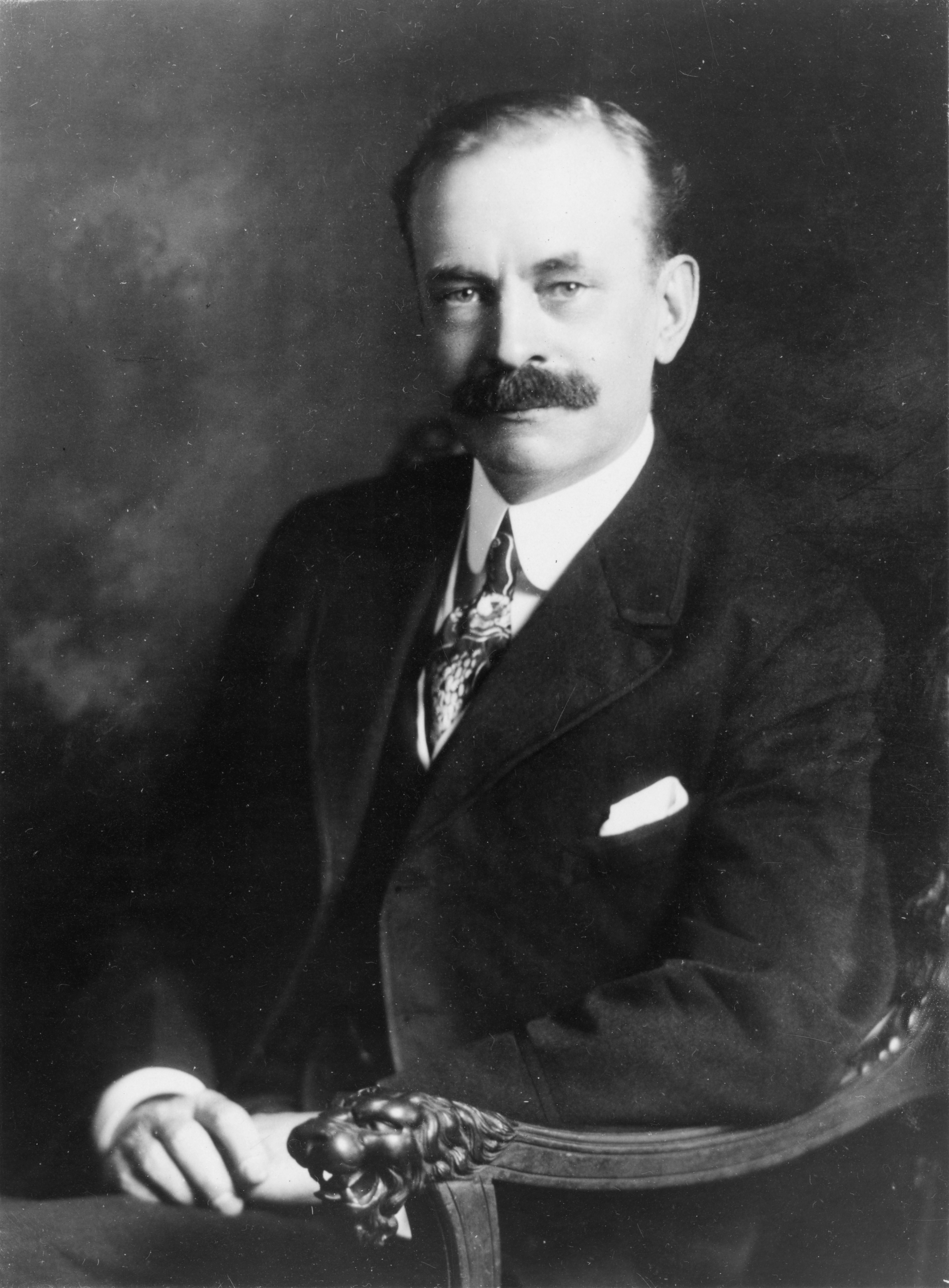
Case President T. Keith Glennan became the first administrator of the National Aeronautics and Space Administration (NASA). Alumnus and trustee, Kent H. Smith (pictured here), was named acting president of Case.
1959
Center for Documentation and Communication Research, part of the School of Library Science, conducted an extensive program of research in the development of devices and methods for information storage and retrieval. Pictured are Eric Pietsch (L) and James Perry (R), director of the Center, in front of the Searching Selector, the machine used to perform searches.