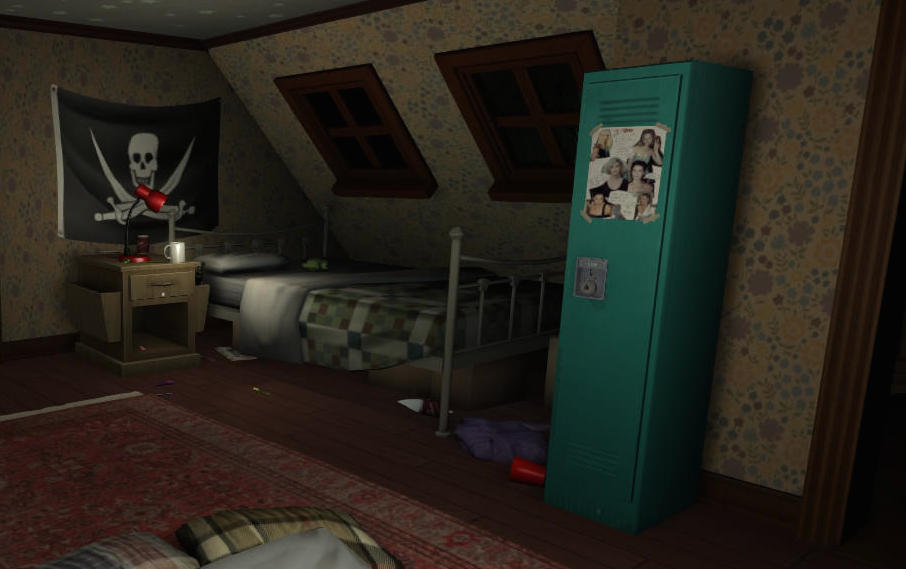
Sam's Room Gone Home
1 2026-10-06T21:24:21+00:00 Andrea Phua bb043f58ac539e5561e7b43e886ae6a0925dc5eb 272 1 https://mycours.es/gamedesign2015/2015/10/15/not-just-walking-sims/ plain 2026-10-06T21:24:21+00:00 Andrea Phua bb043f58ac539e5561e7b43e886ae6a0925dc5ebThis page is referenced by:
-
1
2026-09-03T16:47:52+00:00
Four Corners 2
18
Collaborative exercise in building arguments
plain
2026-10-08T20:48:08+00:00
Leading quotation:
A video game player who attempts to “share” the feeling of a character represented on screen, especially when that feeling emerges from experiences of marginalization, is involved in affective appropriation. Under the banner of empathy, players are invited to visit the experiences of others, trying on their identities like foreign attire and turning their lives into novelty destinations. We might even say that the rhetoric of empathy promotes a colonizing of affect: an invasion, occupation, and subjugation of others’ experiences. (Ruberg 61)
Ruberg suggests that the disguise of superficial understanding and empathy of marginalized experiences results in undervaluing their associated struggles. By suggesting that empathy is like colonization, she outlines how players may claim they know what an experience is like even if that doesn't represent marginalized communities, which demonstrates how these experiences can wrongfully be treated like emotional landmarks to fulfill instead of valuable perspectives (61). It could be argued that the emotional landmarks are connected to Gone Home through the various journal entries and cassette tapes. The player "colonizes" the home by discovering new rooms as if it's their own. As Katie explores Sam's room, she uncovers a lot of personal information by going through her stuff, such as the locker, letters to Lonnie, and other items. Sam's room was a very personal space that the player, through Katie, invaded. Overall, Gone Home is a prime example of how empathy can be wrongfully appropriated leading to discounting the experiences of other people.