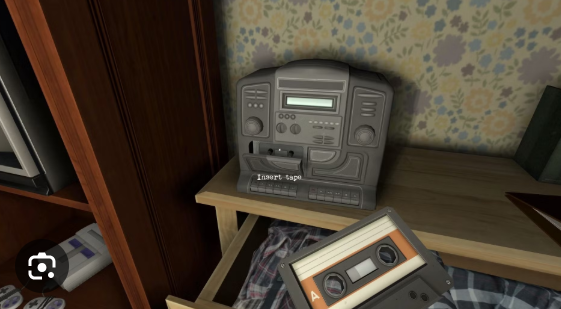
Sam's Cassette Tape
1 2026-10-06T21:27:45+00:00 Shriya Koduri b39dcc55b07f6c9f44e836755c23ea0b5f360c18 272 1 https://www.polygon.com/2019/11/25/20982319/gone-home-soundtrack-cassette-the-fullbright-company/ plain 2026-10-06T21:27:45+00:00 Shriya Koduri b39dcc55b07f6c9f44e836755c23ea0b5f360c18This page is referenced by:
-
1
2026-09-03T16:47:52+00:00
Four Corners 4
12
Collaborative exercise in building arguments
plain
2026-10-08T20:48:29+00:00
Leading passage:It is time to start calling the emotions and experiences that currently cluster under the umbrella term “empathy” by their names. Out in the open, without the cover of empathy as a catchcall buzzword, sympathy, depth, and allyship become more visible and therefore more accessible for critique. Caring, compassion, sorrow, loss, and queer entanglement are powerful concepts that deserve to be spoken out loud, not lost in the rhetoric of empathy. . . . More valuable than a video game that allows players to identify with someone else is a game that requires players to respect the people with whom they cannot identify. (Ruberg 68)
Ruberg critiques the use of the word empathy, while emphasizing the importance of understanding alternative emotions that "empathy" is generalizing. Instead of trying to empathize with the character, it is more important for the player to respect and accept the character's identity (68).
Ruberg's claim that we should look at more specific concepts/emotions allows us to analyze emotions present in the narrative of Gone Home. We are not asked to understand Sam but rather to accept and respect her as our sister and as another human being. Both in the game and in real life, we are only able to know things that we are told about other people. It isn't really possible to understand someone else. Without following every event in someone's life, we do not know what they have truly experienced. Despite this, it is necessary for us to accept others and show them caring and respect regardless of who they are.
Gone Home makes players respect characters like Sam through meaningful personal belongings. The cassette tapes allows both Katie and the player to build a connection to Sam by visualizing her experiences, providing an auditory artifact that builds up her personality and fostering our acceptance of her.